How to Replace Wheelchair Inner Tubes: Step-by-Step Guide
Let's face it: a flat tire on your wheelchair can ruin your whole day. You might be stuck at home, miss an appointment, or just lose your independence for a while. But replacing an inner tube is something you can do yourself. It's not hard once you know the steps. In this guide, we'll walk through everything from figuring out which size tube you need to getting the new one installed and inflated. You'll save time and money, and you'll never have to wait for a repair shop again.
Step 1: Determine Your Wheelchair Tire Size
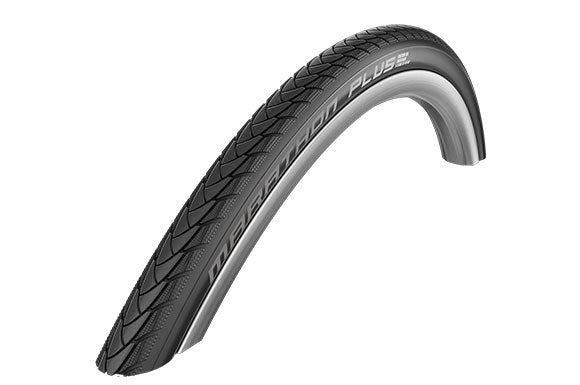
Before you buy a new inner tube, you need to know exactly what size tire you have. Wheelchair tires use a measurement system that can be confusing because it's borrowed from bicycles. The safest way to get the right size is to look at the numbers printed on the sidewall of your current tire. You'll see something like "25-540" or "24x1." Ignore the inch numbers and focus on the metric pair , that's the ISO (International Organization for Standardization) size. For example, 25-540 means the tire is 25mm wide and fits a wheel with a bead seat diameter of 540mm. The metric number is what matters. As industry resources explain, the ISO system is the standard for tire sizing and ensures compatibility across brands.
To measure your tire if the sidewall is worn off, you'll need a tape measure. Measure the diameter from one bead seat to the other (where the tire meets the rim), not the outer edge. For the width, measure the tire at its widest point when mounted and inflated. Common wheelchair tire sizes include 24x1 (25-540), 25x1 (25-559), 26x1 (25-590), and 700c (which is 622mm bead seat diameter). Write down both numbers before you shop. If your tire size isn't on this list, check the manufacturer's website or contact a supplier like Wheelchair Bearings for help.
Key Takeaway: Always use the ISO metric size (e.g., 25-540) when buying a new inner tube. Imperial measurements like "24-inch" can be misleading , a "24-inch" tire might be 540mm or 507mm, and they are not interchangeable.
Step 2: Select the Right Inner Tube for Your Wheelchair
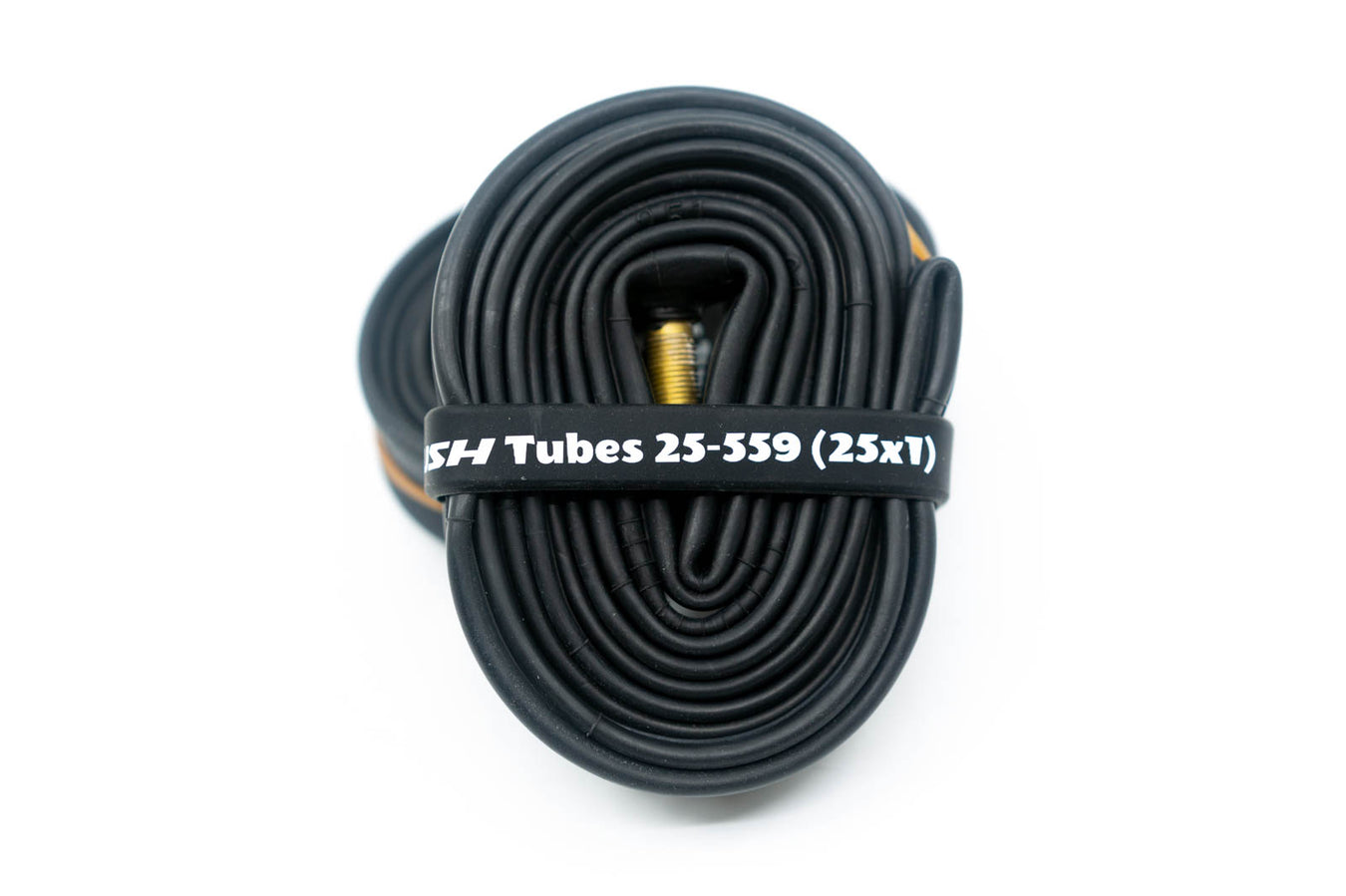
Once you know your tire size, it's time to pick the right inner tube. The tube must match both the tire's width range and the wheel's bead seat diameter. Most wheelchair inner tubes fit a range of widths , for example, a tube that works for 18mm to 37mm tires (like this 25-540 Push Tire Inner Tube) covers everything from a narrow 1-inch tire to a wider 1-3/8-inch tire. But the diameter must match exactly: a 24-inch tube won't stretch to fit a 25-inch wheel.
Valve type is another key choice. In the US, the standard is Schrader , the same valve used on car tires. It's easy to inflate at any gas station or with a standard bike pump. Some high-performance or sports wheelchairs use Presta valves, which are narrower and require a special pump head or an adapter. If you have Presta valves, you can buy a Presta-to-Schrader adapter so you can fill up anywhere. For outdoor or rough-terrain use, consider a thorn-proof tube with a thicker wall (like 3.6mm instead of the standard 1.5mm). These tubes resist punctures from sharp debris. Some high-pressure tube options are marketed for higher psi, while thorn-resistant options are available for added durability. The table below compares the main types.
Step 3: Remove the Old Wheelchair Inner Tube
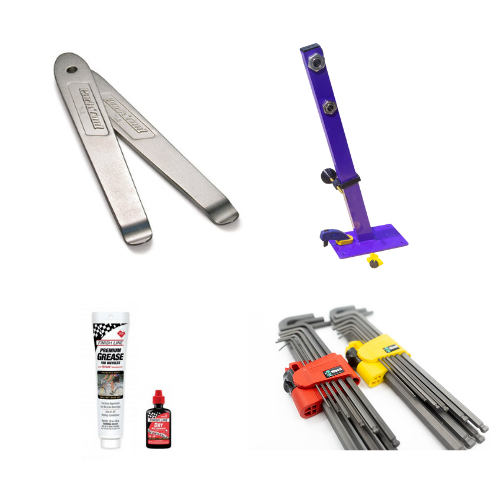
Now it's time to take the old tube out. You'll need a few tools: a set of tire levers, a pump, and perhaps a wrench if your wheel has a quick-release axle. First, deflate the tire completely by pressing the valve core. Then, if your wheel is removable, take it off the chair. For quick-release axles, just push the button and slide the wheel out. For bolt-on axles, use a wrench to loosen the nuts.
Next, push the tire bead away from the rim on one side. Insert a tire lever between the rim and tire bead, and pry the bead over the rim edge. Work your way around the wheel, using two or three levers to keep the bead off the rim. Once one side of the tire is off, you can reach inside and pull out the old inner tube. Be careful not to puncture the new tube with the lever. The Schrader valve is the most common type in the US, so you'll likely see that.
Once the tube is out, inspect the inside of the tire for any debris, nails, glass, or thorns, that might have caused the flat. Run your fingers carefully around the inside. Also check the rim strip (the rubber band that covers the spoke nipples). If it's damaged, replace it to prevent future punctures. This is a good time to clean the rim and tire with a damp cloth.
Pro Tip: Always mark the location of the flat on the tire (e.g., with a piece of chalk) so you can match it to a hole in the tube later. That helps you find the sharp object in the tire that caused the puncture.
Step 4: Install the New Wheelchair Inner Tube
Before you put the new tube in, put a little air into it , just enough to give it shape (about 10-20 psi). This makes it easier to handle and keeps it from getting pinched. Then, slide the valve stem through the hole in the rim. If it's a Presta valve, loosen the small nut at the top. Push the valve straight through, then screw on the retaining nut finger-tight.
Work the tube inside the tire, starting opposite the valve. Make sure it's not twisted. Then, push the tire bead back over the rim by hand. Start at the valve and work both sides simultaneously. Use your thumbs to roll the bead onto the rim. If the bead is stiff, use tire levers, but be careful not to pinch the tube. For a step-by-step visual, online (though we recommend using your own judgment).
Once both beads are seated, check the tire all around to make sure the tube isn't caught between the rim and the tire. Look for any bulges or misalignment. If everything looks good, you're ready to inflate.
Remember that practice makes perfect. The first tube replacement might take 10 minutes; the next will take 5.
Step 5: Inflate and Test Your Wheelchair Tires
Inflate the tire slowly and check the pressure regularly. Most wheelchair tires have a recommended psi range printed on the sidewall. For everyday pneumatic tires, that's usually around 65 psi. High-pressure tires (like those used in sports) can go up to 100-110 psi. If you're using a Presta valve, you'll need a pump with a Presta head or the adapter mentioned earlier. Pump in short bursts and check with a gauge.
After inflating, spin the wheel to make sure it's not wobbly. Listen for any rubbing sounds. Then apply weight , sit in the chair and roll a few feet. If you feel bumps or hear a click, the tire might be seated unevenly. In that case, deflate slightly, massage the tire bead to settle it, then reinflate.
Finally, check for leaks around the valve and bead. Brush soapy water over these areas: if you see bubbles, you have a leak. Tighten the valve core or reseat the tire as needed.
Once everything checks out, you're done! Your wheelchair should roll smooth and true. If you have multiple flats in the same wheel, inspect the rim for sharp edges or replace the rim strip.
FAQ
How often should I replace wheelchair inner tubes?
There's no set schedule, replace them when you get a flat that can't be patched, or if the tube shows cracks, dry rot, or bulges. On average, a tube lasts 1-2 years depending on use, terrain, and inflation habits. If you ride on rough surfaces frequently, consider thorn-proof tubes for longer life.
Can I patch a hole in a wheelchair inner tube?
Yes, you can patch small punctures (like from a thumbtack) using a standard tire repair kit. Clean the area, rough it up with sandpaper, apply rubber cement, and press on a patch. But patches are temporary , they can leak over time. For reliability, especially if you rely on your wheelchair daily, replacing the tube is better.
What's the difference between a Schrader and Presta valve?
Schrader valves are thicker and use a spring-loaded pin , the same as car tires. You can inflate them at any gas station. Presta valves are narrower, have a lock nut on top, and require a special pump or an adapter. Most wheelchairs come with Schrader valves, but some sports models use Presta for higher pressure.
What PSI should I inflate my wheelchair tires?
Check the sidewall of your tire for the recommended range. Most everyday wheelchair tires need 100-110 psi. High-pressure sport tires may require 120-145 psi. Overinflation makes the ride stiff and increases puncture risk; underinflation causes extra rolling resistance and can damage the rim. Use a gauge to be accurate.
How do I know what size inner tube to buy?
Look at the sidewall of your tire for the ISO size, like 25-540 or 25-559. That pair of numbers (width and bead seat diameter) is the most reliable guide. If the sidewall is worn, measure the bead seat diameter with a tape measure and measure the tire width. Use those numbers to find a compatible tube. Our wheelchair tube collection covers all common sizes.
Can I use a bicycle inner tube in my wheelchair?
Sometimes, yes, if the size matches. But wheelchair tubes often have Schrader valves and are designed for the higher loads wheelchairs carry. Bicycle tubes may not be as durable. It's safer to buy tubes specifically made for wheelchairs, available at Wheelchair Bearings.
Why does my new tube keep going flat?
There might be a sharp object inside the tire, a damaged rim strip, or a pinch flat from improper installation. Remove the tube, inflate it, and submerge it in water to find the leak. Then inspect the tire and rim thoroughly. Also, make sure the tube isn't pinched between the bead and rim during installation.
Conclusion
Replacing a wheelchair inner tube is a skill that gives you freedom. No more waiting for a repair shop or paying for labor. You now know how to measure your tire size, choose the right tube, remove the old one, install the new one, and inflate it safely. It's a straightforward process that gets easier each time you do it.
If you need a reliable source for tubes, Wheelchair Bearings carries a wide selection of quality inner tubes to fit any wheelchair. Whether you need a single tube or a bulk pack for a facility, we've got you covered with fast shipping and expert support. And if you're a senior on a budget, maintaining your wheelchair is a smart way to keep healthcare costs manageable—because staying healthy means staying mobile.
Take care of your wheels, and they'll take care of you. Happy rolling!
This article is for informational and educational purposes only and is not medical advice. It is not intended to diagnose, treat, cure, or prevent any condition, and it should not be used as a substitute for professional medical advice, diagnosis, or treatment. Always seek guidance from a qualified healthcare provider with any questions you may have regarding a medical condition.