Top 4 Solid Wheelchair Tires Compared – Pick the Best for Your Ride
Let’s cut to the chase: you need a tire that won’t let you down when the road gets rough. Below is a quick rundown of four solid wheelchair tires we stock, plus a simple guide to decide if solid or pneumatic is right for you.
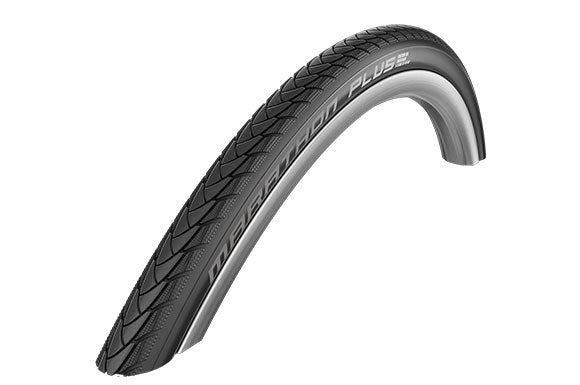
1. 22 x 1 (25-501) (Pair) Primo Sentinel High Rebound Solid Polyurethane Wheelchair Tire Black
This 22‑inch tire is made of high‑rebound polyurethane that gives a little give without the need for air. It fits most standard manual chairs and is ideal for indoor use where a smooth roll matters. The solid build means no flats, so you spend less time checking pressure. At $79.99 per pair it’s a budget‑friendly entry point. One downside: the smaller diameter can feel a bit stiff on uneven outdoor pavement.
2. 24 x 1 (25-540) (Pair) Primo Sentinel High Rebound Solid Polyurethane Wheelchair Tire Black
Step up to a 24‑inch wheel for a bit more ground clearance. The same solid polyurethane core offers the puncture‑proof reliability Primo is known for. It rolls a little smoother than the 22‑inch version because the larger diameter eases the impact of small bumps. Good for mixed indoor‑outdoor use, especially in facilities with carpeted hallways and occasional concrete. The trade‑off is a slightly higher weight, which can affect battery range on electric chairs.
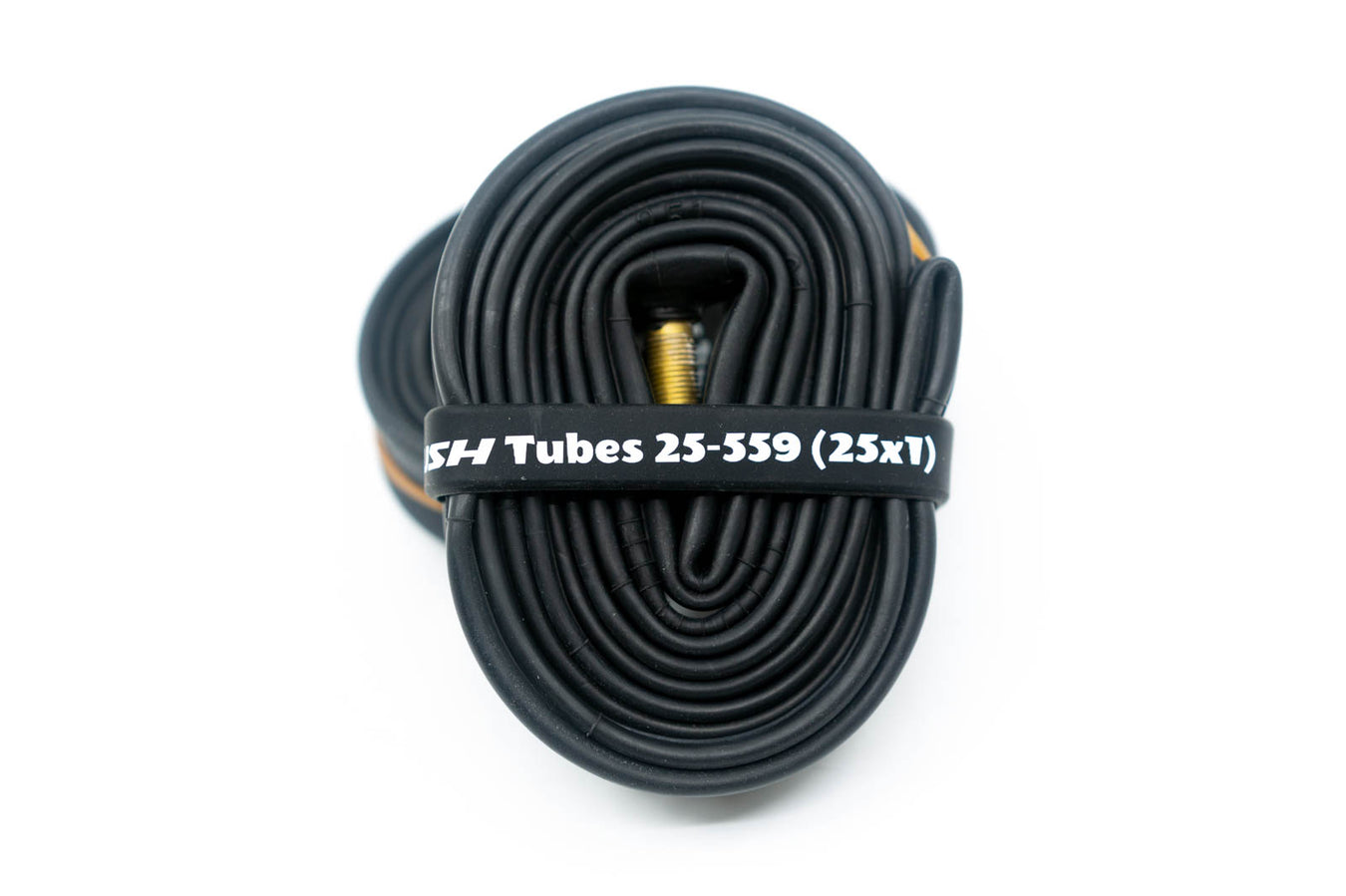
3. 25 x 1 (25-559) (Pair) Primo Sentinel High Rebound Solid Polyurethane Wheelchair Tire Black
The 25‑inch size bridges the gap between indoor comfort and outdoor durability. Its solid core absorbs less shock than pneumatic tires but more than the 22‑inch model thanks to a wider contact patch. It handles curb jumps better than smaller sizes, making it a solid choice for community centers with mixed flooring. At the same $79.99 price point you get a tire that can handle a bit more weight without sacrificing stability.
4. 26 x 1 (25-590) (Pair) Primo Sentinel High Rebound Solid Polyurethane Wheelchair Tire Black
The largest option in the line, 26‑inch solid tires give the highest ground clearance and the smoothest ride among the solid choices. They excel on outdoor paths, gravel, and uneven terrain where a larger wheel rolls over obstacles more easily. The trade‑off is added weight, which can reduce the range of powered chairs by a few percent. If you need a tire that can take a beating and still glide, this is the one.
Pro Tip: Ready to get the right tire? Try Wheelchair Bearings free →
How to Choose Between Solid and Pneumatic Wheelchair Tires
Both solid and pneumatic tires have their place. Use the table below to match your needs with the right technology.
Criterion
Solid (Primo)
Pneumatic
Ride comfort
Firm, low‑compression feel
Soft, absorbs bumps
Maintenance
No air checks, never flats
Regular pressure checks, risk of punctures
Puncture resistance
100 % puncture‑proof
Can be pierced by sharp objects
Noise level
Quiet on smooth surfaces
Often quieter on rough terrain
Load capacity
Handles up to 300 lb per wheel
Typically 350 lb per wheel
Energy efficiency
Less rolling resistance, good for electric chairs
Higher rolling resistance can lower battery range
For a quick decision, ask yourself three things: Do you need zero‑maintenance? Are you mostly on smooth indoor floors? Is weight‑capacity a priority? If the answer is yes to the first two, solid tires win. If you crave a plush ride on mixed terrain, pneumatic may be worth the upkeep.
We recommend checking our Solid Wheelchair Tires collection to see the full lineup and match sizes to your chair model.
Solid tires are praised for durability. According to Wikipedia, solid rubber tires have a lower rolling resistance than air‑filled tires, which can extend the range of powered wheelchairs. The National Highway Traffic Safety Administration notes that puncture‑proof tires reduce the risk of sudden loss of control on rough surfaces ( NHTSA).
FAQ
Which tire type lasts longer?
Solid tires generally outlast pneumatic ones because they never lose air and are immune to punctures. In practice, a solid tire can keep rolling for several years with minimal wear, while pneumatic tires often need replacement after a few hundred miles of heavy use.
Do solid tires make the ride noisier?
On smooth indoor floors, solid tires are very quiet. They can produce a slight hum on rough outdoor surfaces because there’s no air cushion to absorb vibrations, but most users find the noise acceptable.
Can I mix solid and pneumatic tires on the same chair?
Yes, many technicians put solid tires on the rear wheels for stability and pneumatic tires on the front for steering comfort. This combo balances puncture protection with a smoother steering feel.
How do solid tires affect battery life on an electric wheelchair?
Solid tires usually have lower rolling resistance, which can improve battery range by a few percent compared with pneumatic tires that flex more with each roll.
Are solid tires compatible with all wheelchair models?
Most manual and powered chairs that accept 22‑ to 26‑inch wheels can use Primo solid tires. Check your rim width and axle type; the measurement guide helps you confirm fit.
Bottom line: if you want a tire that never needs a pump and can survive sharp objects, go solid. If you crave a cushier ride on uneven paths, a pneumatic tire still has merit.
Ready to upgrade? Browse the selection, pick the size that matches your chair, and add the pair to your cart. Your next ride will be smoother, safer, and hassle‑free.
This article is for informational and educational purposes only and is not medical advice. It is not intended to diagnose, treat, cure, or prevent any condition, and it should not be used as a substitute for professional medical advice, diagnosis, or treatment. Always seek guidance from a qualified healthcare provider with any questions you may have regarding a medical condition.