Choosing the right wheelchair tires can feel weirdly complicated. You’ll see a lot of opinions, a lot of “it depends,” and not a lot of clear answers. But here’s the thing: the right tire changes your day-to-day. It affects comfort, push effort, reliability, and how often you’re stuck dealing with maintenance.
This guide breaks it down in plain language. We’ll compare pneumatic (air) tires vs solid tires, explain what to look for, call out two top options we carry (Schwalbe Marathon Plus and PR1MO Orion Urethane Street Tire), and help you choose the right size (most commonly 24” / 25” / 26”). By the end, you’ll know exactly what to buy (and why).
Quick Comparison Table (Air vs Solid)
| Feature |
Pneumatic (Air): Schwalbe Marathon Plus
|
Solid: PR1MO Orion Urethane Street Tire
|
| Best for |
Comfort, outdoor rolling, smoother ride |
Zero flats, low maintenance, consistency |
| Comfort |
High (air absorbs cracks/vibration) |
Medium (firmer ride feel) |
| Maintenance |
Medium (check PSI, occasional tube swap) |
Low (no PSI, no flats) |
| Flat risk / failure risk |
Medium (still possible, even with tough tires) |
Low (no punctures) |
| Rolling feel |
Smooth + forgiving when inflated right |
Consistent + firm |
| Weight |
Usually lighter feel vs solid setups |
Often heavier / more rigid feel |
| Price |
$$ |
$$–$$$ (varies by size/setup) |
| Our pick if you want… |
“Best ride feel without going fragile” |
“Install it and stop thinking about tires” |
If you want the smoothest ride and better vibration control, choose Marathon Plus. If you want zero-flat reliability, choose PR1MO Orion.
Table of Contents
- Understanding Wheelchair Tire Types (Pneumatic vs Solid)
- Key Factors to Consider Before You Buy
- Top Tire Options from Wheelchair Bearings
- How to Maintain Your Tires (So They Last)
- Expert Tips for First-Time Tire Buyers
- FAQ
- Conclusion
Understanding Wheelchair Tire Types (Pneumatic vs Solid)
Wheelchair rear tires usually fall into two main types: pneumatic (air) and solid. Both can be great. They just solve different problems.
Pneumatic (Air) Tires
-
What it is: An air-filled tire (typically used with an inner tube) that you inflate to a PSI range.
-
What it feels like: Smoother and more forgiving — like having a little suspension.
-
Best for:
- Outdoor rolling (sidewalks, parking lots, rough pavement)
- People who want comfort and less vibration
- Anyone who cares about ride feel and performance
-
Tradeoffs:
- You can still get flats
- You need to keep pressure where it should be
Quick buying note: With air tires, your experience depends a lot on correct sizing and proper inflation. If you go pneumatic, grabbing a spare tube is just smart.
Solid Tires
-
What it is: A tire made from solid material (like urethane) — no air chamber.
-
What it feels like: Firm and consistent.
-
Best for:
- People who want zero flats
- Anyone who doesn’t want to check PSI
- Daily reliability (work, school, travel)
-
Tradeoffs:
- Harsher ride on rough surfaces
- Less “cushion” over cracks and bumps
Key takeaway: Air tires usually win on comfort. Solid tires usually win on reliability.
Key Factors to Consider Before You Buy
1) Size & fit (don’t guess)
Most rear wheelchair tire setups we see are 24” / 25” / 26”. That said, don’t guess based on what “looks right.” Tire sizing can be confusing, and the wrong size can mean poor fit, weird handling, or extra wear.
If you’re unsure, check what’s printed on your current tire or reach out before ordering.
2) Comfort vs “set it and forget it”
Ask yourself one honest question:
Do you want the best ride feel, or do you want the least maintenance?
- If comfort matters most → pneumatic
- If maintenance-free matters most → solid
3) Push effort (rolling feel)
-
Air tires can feel easier and smoother when inflated properly.
-
Solid tires feel consistent, but can feel “stiffer” over imperfect surfaces.
A big reality: underinflated air tires can feel harder to push than anything. If you go pneumatic, keeping PSI up is part of the deal.
4) Where you roll (indoors vs outdoors)
- Outdoors + rough surfaces → air tires usually feel better
- Mostly indoors / smooth floors → solid tires can be totally fine
5) How much downtime you can tolerate
If a flat would wreck your week, that’s a strong argument for solid tires.
Top Tire Options from Wheelchair Bearings
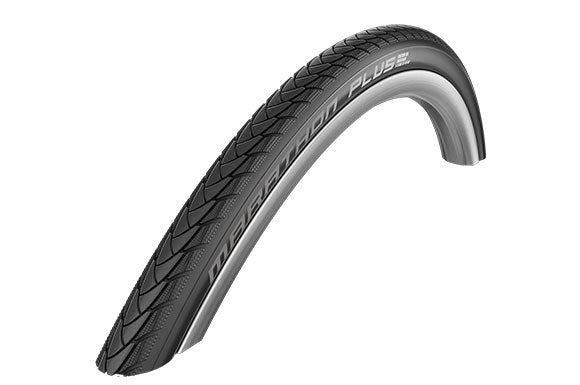
Option 1: Schwalbe Marathon Plus (Pneumatic / Air)
-
Best for: People who want a smoother ride and a tougher air tire option.
-
Why people choose it:
- More comfort than solid tires
- Better vibration absorption outdoors
- Great “daily driver” feel for a lot of users
-
Watch-outs:
- It’s still pneumatic — flats can still happen
- Needs proper inflation to feel its best
-
What to buy with it:
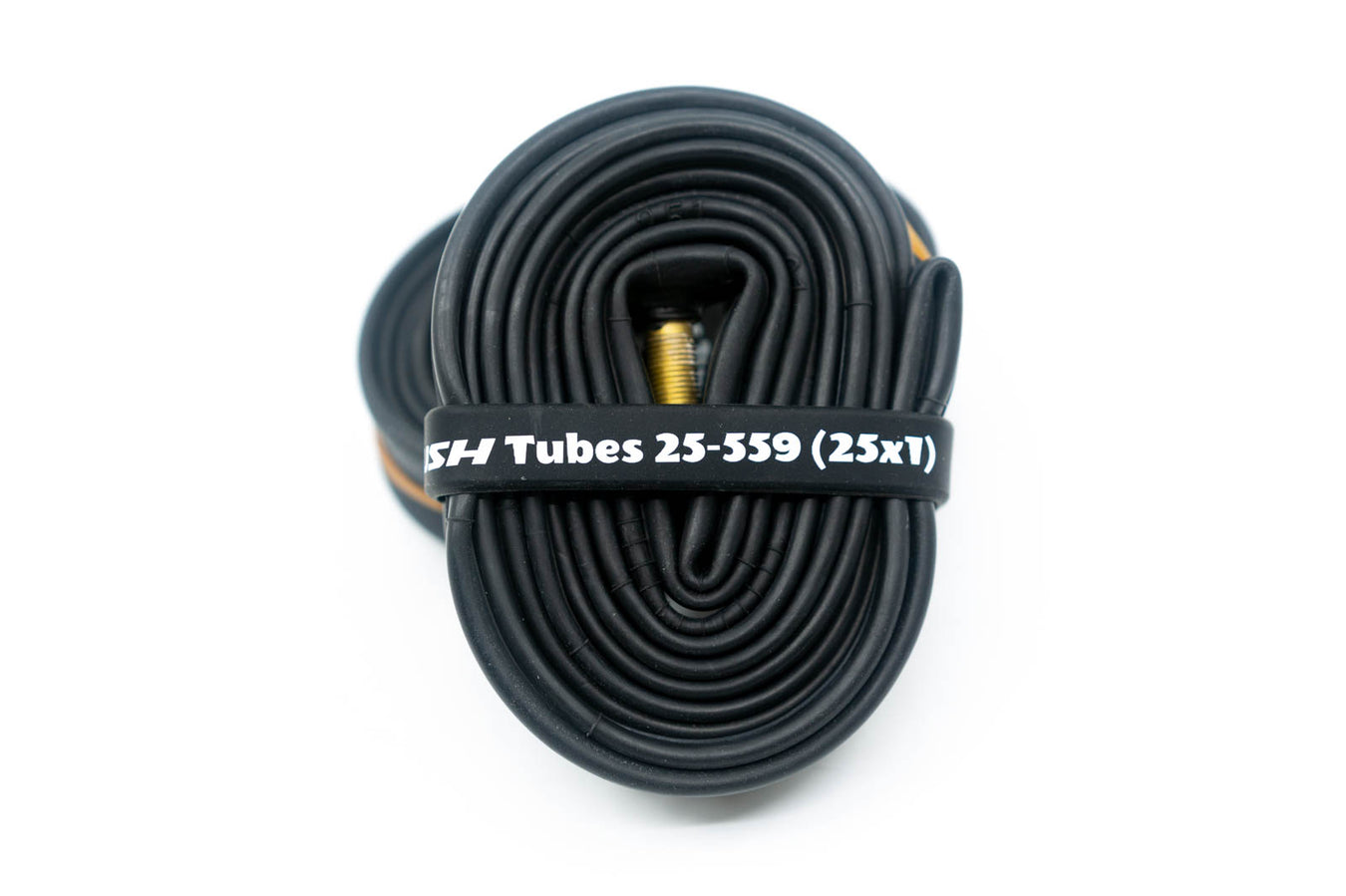
- The correct inner tube size
- A spare tube (highly recommended)
CTA: Shop Schwalbe Marathon Plus (24” / 25” / 26”) on WheelchairBearings.com.
Option 2: PR1MO Orion Urethane Street Tire (Solid)
-
Best for: Anyone who wants to eliminate flats and reduce maintenance.
-
Why people choose it:
- No punctures, no slow leaks, no PSI checks
- Reliable, consistent feel day-to-day
- Great for people who just want their chair to work
-
Watch-outs:
- Firmer ride feel, especially outdoors
- Less vibration absorption than air tires
-
What to buy with it:
- If you’re changing setups, make sure your sizing is correct before ordering
CTA: Shop PR1MO Orion Urethane Street Tires (24” / 25” / 26”) on WheelchairBearings.com.
How to Maintain Your Tires (So They Last)
If you run pneumatic (air) tires
-
Check pressure regularly. Low pressure = harder pushing + more tube issues.
-
Inspect tread and sidewalls for cuts or embedded debris.
-
Keep a spare tube on hand so a flat doesn’t stop your day.
If you run solid tires
-
Inspect for wear (especially if you roll outdoors a lot).
- Watch for changes in handling or uneven wear.
- Clean as needed — solids are generally low-maintenance.
Pro tip: Do a quick monthly check: wear, cracks, embedded debris, and anything that feels “off.”
Expert Tips for First-Time Tire Buyers
-
Start with your real life: If you’re outdoors a lot, comfort matters more than people admit.
-
Measure/confirm size before ordering: Most are 24/25/26, but confirm what your chair uses.
-
If you choose air, plan for air: Correct tube + spare tube = fewer headaches.
-
If you choose solid, commit to solid: You’re trading comfort for reliability — on purpose.
FAQ
Are pneumatic tires always better than solid tires?
No. Pneumatic tires are usually more comfortable, but solid tires are usually more reliable. “Better” depends on what you value most.
Do solid tires make pushing harder?
Sometimes they can feel stiffer, especially outdoors. But they’re consistent — you won’t get the “low PSI” drag that air tires can cause.
Can Schwalbe Marathon Plus still go flat?
Yes. It’s a tough pneumatic option, but any air tire can flat. That’s why we always recommend ordering the correct tube (and a spare).
Which is best for outdoor sidewalks and rough pavement?
Most people prefer pneumatic for outdoor comfort and vibration control.
Which is best if I can’t deal with flats?
Solid tires — that’s exactly what they’re for.
What sizes do these tires come in?
Most commonly 24” / 25” / 26” for rear wheelchair tires. Confirm your current tire markings to match the correct size.
Conclusion
Pneumatic vs solid isn’t about right vs wrong — it’s about matching the tire to your day.
- Want the smoother ride and better vibration control? Go pneumatic with Schwalbe Marathon Plus.
- Want zero-flat reliability and less maintenance? Go solid with PR1MO Orion Urethane Street Tire.
If you’re unsure on sizing, reach out before ordering — we’d rather help you get it right the first time. And when you’re ready, shop Marathon Plus and PR1MO Orion in 24” / 25” / 26” on WheelchairBearings.com.