Let's face it: your wheelchair wheels do most of the work. They take bumps, roll over gravel, and get you where you need to go. But not all wheels are the same. From tire type to bearing size, every choice affects your ride. Here's what you need to know to pick the right setup and keep it running smooth.
1. Understanding Wheelchair Wheel Components
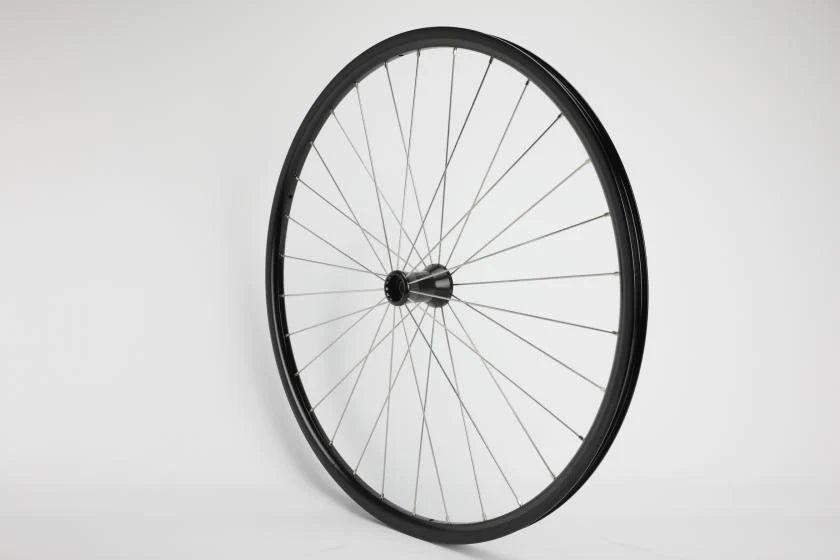
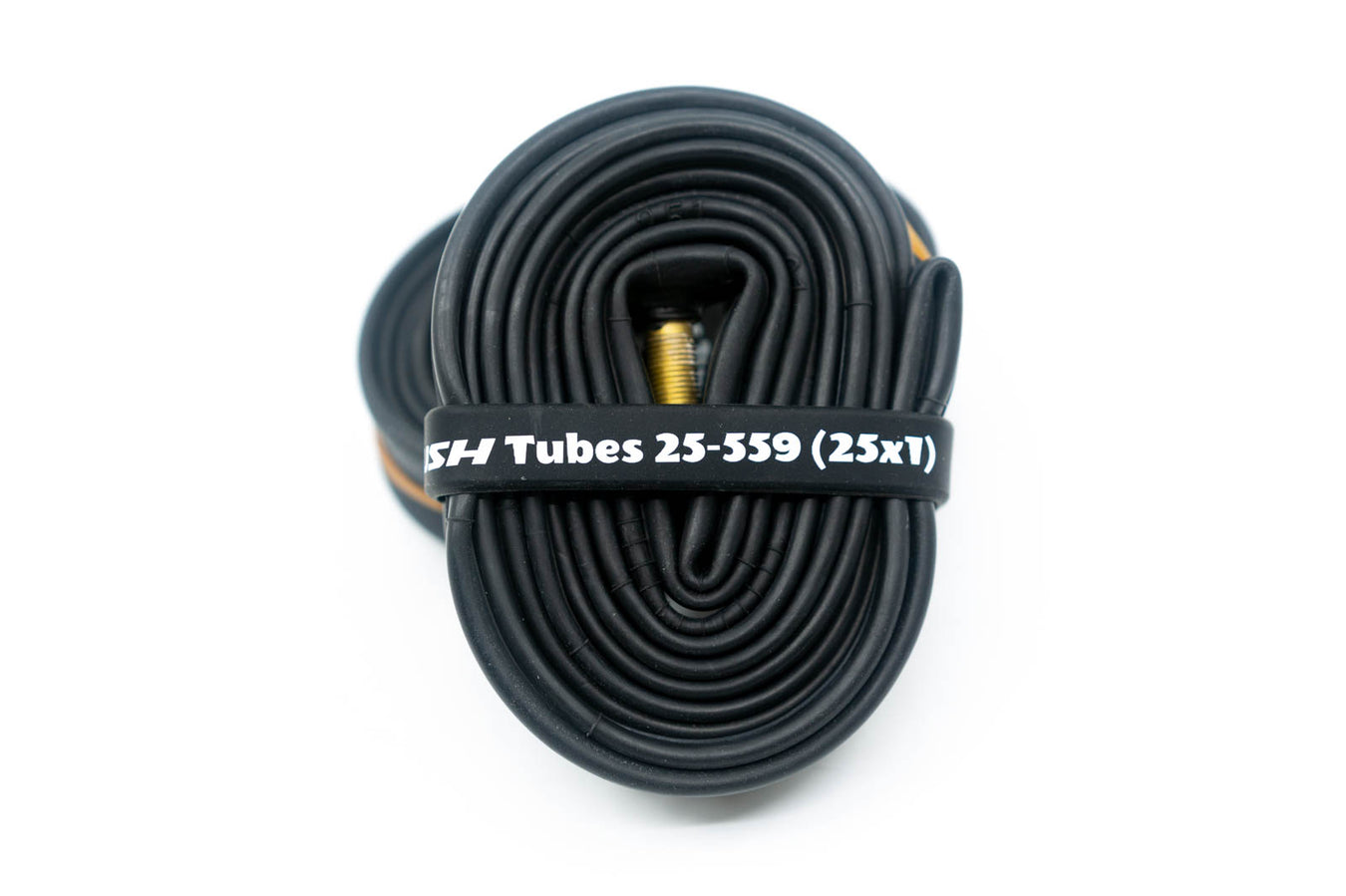
A wheelchair wheel isn't just a circle of rubber. It's a system of parts that work together. The main components are the tire, inner tube (for pneumatic tires), rim, spokes, hub, bearings, axle, and handrim. Each part matters for performance and comfort.
The tire is what touches the ground. It comes in different materials and treads. The inner tube holds air inside pneumatic tires. The rim is the metal or carbon ring the tire mounts to. Spokes connect the rim to the hub and transfer your push power. The hub houses the bearings. Bearings let the wheel spin smoothly around the axle. The handrim (or pushrim) is the small ring you grip to push the chair.
Casters are the smaller front wheels. They're mounted on forks and swivel to steer. Casters have their own tires, bearings, and axles. A good caster setup makes turning easy and absorbs shock from bumps.
Understanding these parts helps you diagnose problems and choose upgrades. When you know what's what, you can talk to techs or shop with confidence.
2. Pneumatic vs. Solid vs. Polyurethane Tires
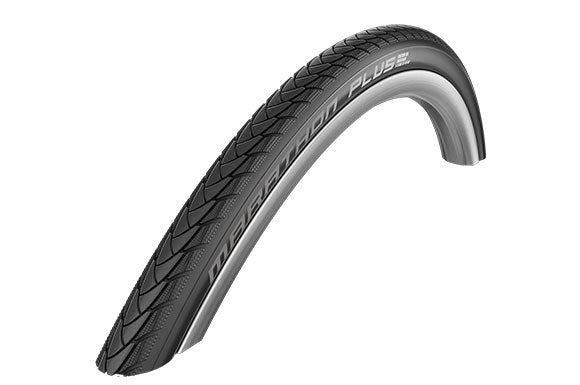
Your tire choice has the biggest impact on ride quality. There are three main types: pneumatic (air-filled), solid (also called foam-filled), and polyurethane (often urethane). Each has trade-offs.
Tire Type
Ride Comfort
Puncture Risk
Weight
Best For
Pneumatic
Excellent (absorbs small bumps)
High (can get flats)
Light
Everyday use, smooth roll, grip
Solid (foam-filled)
Fair (firm, less shock absorption)
None (puncture-proof)
Heavy
Low maintenance, rough surfaces
Polyurethane
Good (closer to pneumatic)
None (puncture-proof)
Medium
Mixed terrain, durability
Pneumatic tires, like the Schwalbe RightRun, give the smoothest ride because air absorbs vibration. But they need pressure checks and can go flat. As one long-term user found after switching from solids, pneumatic tires at 110 psi offered noticeably more comfort and grip, especially on gravel and small bumps. The downside? The risk of punctures, which sealant can help manage.
Solid tires are worry-free: no flats, no air checks. But they transfer more shock to your body, which can be fatiguing over long distances. Polyurethane tires split the difference. They're denser than foam but still absorb some impact, making them a solid middle ground.
Key Takeaway: If you want a smooth ride and don't mind occasional maintenance, go pneumatic. If you never want to deal with a flat, pick solid or polyurethane.
3. Rear Wheels vs. Casters: Key Differences
Rear wheels are big (usually 24 inches) and driven directly by you. They carry most of your weight and provide forward motion. Smaller rear wheels (20, 22 inches) make the chair more compact but require more effort to push. Larger ones (25, 26 inches) roll over obstacles easier but add bulk. 24-inch wheels offer the best balance of maneuverability and propulsion efficiency for most adults.
Casters are small and swivel. They steer the chair. Typical caster diameters are 3 to 6 inches. Larger casters roll better over rough ground and curb cuts, while smaller ones turn faster indoors. Caster tires also come in pneumatic, solid, or polyurethane. A worn caster bearing makes the chair wobble.
Upgrading casters can transform handling. Caster forks with suspension absorb shock, making bumpy rides smoother. That's a major change for outdoor use.
Pro Tip: Check caster bearings every few months. Hair and debris can get wrapped around the axle, causing drag.
4. Maintenance Tips to Extend Wheel Life
Regular maintenance keeps your wheels rolling smoothly and prevents costly breakdowns. Here are the key steps:
Check tire pressure weekly. Low pressure makes pushing harder and wears tires unevenly. For pneumatic tires, use a pump with a gauge. Aim for the PSI range on the tire sidewall.
Inspect tire tread for wear patterns. If the outer edges are worn, the wheel might be toed in. If inner edges are worn, it's toed out. That alignment issue needs a tech to adjust. Solid tires also wear , look for flat spots.
Clean and oil caster bearings. Remove hair and dirt from around the axle. Add a drop of light oil to the bearings. Spin the caster to distribute it. This prevents squeaks and rough rolling.
Check quick-release axles. The button should snap firmly. Any wobble in the rear wheel means the axle or bearing is worn. Check for slop in axles and ensure bearings spin freely.
Inspect spokes for tension and damage. A loose or broken spoke causes the wheel to wobble. Tighten with a spoke wrench or replace if broken.
5. Upgrading Wheels for Performance
If you're looking for more speed, better handling, or less rolling resistance, upgrading wheels can make a big difference. Two common upgrades:
High-performance sport wheels are popular among athletes. These wheels are built with lightweight materials and stiff spokes for maximum speed and energy transfer, making them ideal for basketball, WCMX, and tennis. For quad rugby, more durable models with larger bearings are available. You can find sport wheels at Wheelchair Bearings in various sizes and axle options.
Different tires for different terrain. If you do a lot of off-roading, consider a knobby tire like the Kenda Nevegal. For smooth indoor courts, a slick tire from Primo gives less rolling resistance. Wheelchair Bearings stocks a wide range of tires from Schwalbe, Kenda, Primo, and IRC.
When upgrading, check your axle size (usually 1/2-inch or 5/8-inch) and wheel diameter (20, 26 inches). Most rear wheels use the same bearing size, making them compatible across frames. You can even switch between 24-inch and 25-inch wheels if your frame allows.
Key Takeaway: The best upgrade matches your activity. Sport wheels for speed, all-terrain tires for outdoors, and comfortable handrims for everyday pushing.
6. FAQ
What size wheelchair wheels do I need?
The most common rear wheel size is 24 inches. Your height and frame determine the exact size. Measure from your axle plate to the floor, then subtract the tire height. Wheelchair Bearings' product pages list compatible sizes for each wheel.
How often should I replace wheelchair tires?
Replace them when the tread is worn smooth or you see flat spots. Pneumatic tires last 1, 2 years with regular use. Solid and polyurethane tires last longer, 2, 4 years, but inspect them for cracks or chunks missing.
Can I put solid tires on my pneumatic wheels?
Yes, if the rim width and diameter match. You'll need to remove the old tire and inner tube, then mount a solid tire of the same size. Solid tires are heavier and stiffer, so expect a firmer ride.
What is the best caster size for outdoor use?
Larger casters, like 5 or 6 inches, roll better over bumps and cracks. They reduce the bump steering effect. If you go off-road often, look for casters with pneumatic tires or suspension forks from Frog Legs.
How do I clean my wheelchair wheel bearings?
Remove the wheel and pop out the bearings with a bearing extractor. Clean them in solvent, let dry, then pack with fresh grease. Put them back in and add oil if needed. Wheelchair Bearings sells bearing removal and installation kits to make it easy.
Do I need special wheels for wheelchair sports?
Spoked sport wheels like Spinergy are lighter and stiffer than standard wheels. They give you faster acceleration and better handling. For basketball, rugby, or tennis, sport wheels are a worthwhile upgrade. Wheelchair Bearings carries sport wheels from Spinergy and other brands.
Conclusion
Your wheelchair wheels affect every part of your day , how easy it is to push, how comfortable the ride is, and how well you can handle different surfaces. Start with the right tire type for your needs, keep up with basic maintenance, and consider upgrades when you want better performance. Wheelchair Bearings has the parts, tools, and know-how to keep you rolling. Browse our selection of wheelchair wheels and contact us if you need help choosing.
This article is for informational and educational purposes only and is not medical advice. It is not intended to diagnose, treat, cure, or prevent any condition, and it should not be used as a substitute for professional medical advice, diagnosis, or treatment. Always seek guidance from a qualified healthcare provider with any questions you may have regarding a medical condition.